
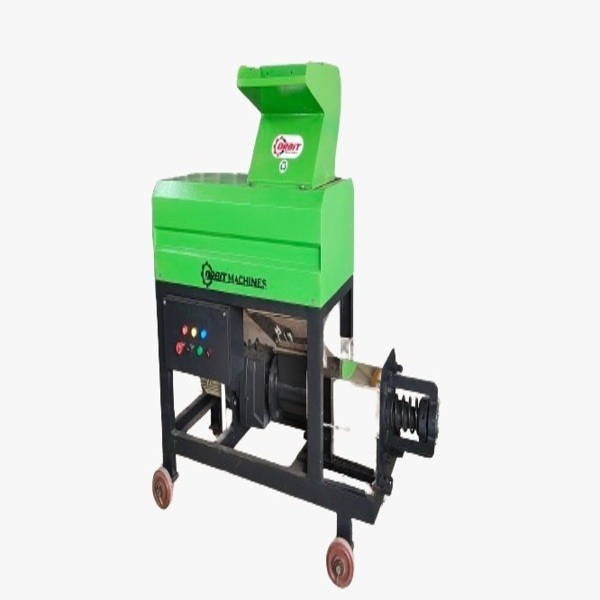
With the assistance of our professionals, we have been able to manufacture and supply a wide range of Organic Waste Shredder Cum Dewatering Machine Manufacturers in Coimbatore , Tamil Nadu, South India. These Machines are tested by a qualified specialist to make certain its performance. Other Shredder Machines: We can shredder E Waste, Plastic Scrap, Waste Plastic, Hard Plastic, Metal, Organic Waste, Municipality Waste, Car Battery Plates, Waste Paper, Areca Leaf Plate Waste, Turmeric, Coconut Husk Chips, Raffia Bag, Metal Scrap, Fish Net, Polythene Bag, Coir Mat Waste, Aluminum Foil, Biomass, Sugarcane Bagasse, Coconut Husk, Pet Bottle, Chicken Waste, Beef Waste, Fish Waste by this shredders. Other Searches: Single Shaft Organic Waste Shredder Cum Dewatering Machine Manufacturers in Coimbatore Tamil Nadu. Organic Waste Shredder Cum Dewatering Machine Manufacturers in Coimbatore Tamil Nadu Price. Color Vibrant Organic Waste Shredder Cum Dewatering Machine in Coimbatore Tamil Nadu. Dual Shaft Organic Waste Shredder Cum Dewatering Machine Manufacturers in Coimbatore Tamil Nadu. Automatic Organic Waste Shredder Cum Dewatering Machine Manufacturers in Coimbatore Tamil Nadu. Best Price Organic Waste Shredder Cum Dewatering Machine Manufacturers in Coimbatore Tamil Nadu Address. What It Is Organic Waste Shredder cum Dewatering Machine? An Organic Waste Shredder cum Dewatering Machine (often called an organic waste composting or processing unit) is an industrial or commercial machine designed to process organic waste—such as food waste, vegetable scraps, garden waste, and other biodegradable materials—by shredding, squeezing, and reducing moisture content. An Organic Waste Shredder cum Dewatering Machine is a combined system with two main functions: Shredding: Breaks down organic waste into smaller pieces. Dewatering: Reduces the moisture content by squeezing or pressing the shredded waste. These machines are commonly used as a pre-treatment stage before composting, biogas generation, or vermicomposting. Main Components: Feeding Hopper: Where organic waste is loaded. Shredder Unit: Contains rotating blades or cutters to chop waste into fine particles. Screw Press / Dewatering Section: Compresses the shredded material to remove excess water. Collection Chambers: Solid discharge outlet – for semi-dry organic pulp. Liquid outlet – for separated liquid (leachate or organic juice). Working Principle: Input: Food waste, vegetable waste, fruit peels, or kitchen scraps are fed into the machine. Shredding: The waste is cut into smaller pieces to increase surface area. Dewatering: The shredded waste is squeezed by a screw press or hydraulic mechanism to remove moisture. Output: Semi-dry organic pulp (ready for composting). Recovered liquid (can be used for biogas feed or disposed of safely). Uses: Reduces the volume of organic waste by 60–70%. Minimizes odor and leachate formation. Improves composting efficiency (smaller, drier waste decomposes faster). Helps in waste segregation and recycling. Reduces transportation costs (lighter, compacted waste). Applications: Municipal Waste Management: Used by city corporations to treat organic fractions of solid waste. Hotels, Restaurants, and Canteens: For managing daily food waste. Supermarkets & Food Processing Units: To handle expired or spoiled produce. Composting Plants: As a preprocessing unit before aerobic or anaerobic composting. Biogas Plants: To prepare feedstock for efficient gas production. Housing Societies & Institutions: For in-house organic waste management. Benefits: Environmentally friendly waste processing. Reduces landfill load. Produces high-quality compost material. Saves water and reduces waste handling costs. Can operate continuously for large waste volumes. Organic Waste Shredder cum Dewatering Machine – Process Flow 1. Waste Collection & Segregation Step 1: Collect biodegradable waste such as: Kitchen scraps, vegetable/fruit peels, leftover food, garden leaves, etc. Step 2: Remove non-biodegradable items (plastic, glass, metal, stones) manually or using a segregation unit. ➜ Purpose: Prevents damage to the shredder blades and ensures better compost quality. 2. Feeding the Machine Step 3: Load the segregated organic waste into the feeding hopper of the machine (manually or via conveyor belt). ➜ The hopper regulates waste input and ensures continuous feeding. 3. Shredding Process Step 4: Inside the shredding chamber, rotating blades or cutters grind and chop the waste into smaller, uniform pieces (typically 10–20 mm). ➜ Purpose: Smaller particles have a larger surface area, which speeds up composting or digestion. 4. Dewatering Process Step 5: The shredded waste passes automatically into the dewatering section (usually a screw press or hydraulic press). Step 6: The press squeezes out excess moisture (typically 30–50% of liquid is removed). Solid Output: Semi-dry, fibrous organic pulp. Liquid Output: Nutrient-rich


This is your website preview.
Currently it only shows your basic business info. Start adding relevant business details such as description, images and products or services to gain your customers attention by using Boost 360 android app / iOS App / web portal.
Organic Waste Shredder Cum Dewatering Machine (Dual Shaft) Manufacturers in Chennai.
2025-10-31T04:44:00
With the assistance of our professionals, we have been able to manufacture and supply a wide range of Organic Waste Shredder Cum Dewatering Machine Manufacturers in Coimbatore , Tamil Nadu, South India. These Machines are tested by a qualified specialist to make certain its performance. Other Shredder Machines: We can shredder E Waste, Plastic Scrap, Waste Plastic, Hard Plastic, Metal, Organic Waste, Municipality Waste, Car Battery Plates, Waste Paper, Areca Leaf Plate Waste, Turmeric, Coconut Husk Chips, Raffia Bag, Metal Scrap, Fish Net, Polythene Bag, Coir Mat Waste, Aluminum Foil, Biomass, Sugarcane Bagasse, Coconut Husk, Pet Bottle, Chicken Waste, Beef Waste, Fish Waste by this shredders. Other Searches: Single Shaft Organic Waste Shredder Cum Dewatering Machine Manufacturers in Coimbatore Tamil Nadu. Organic Waste Shredder Cum Dewatering Machine Manufacturers in Coimbatore Tamil Nadu Price. Color Vibrant Organic Waste Shredder Cum Dewatering Machine in Coimbatore Tamil Nadu. Dual Shaft Organic Waste Shredder Cum Dewatering Machine Manufacturers in Coimbatore Tamil Nadu. Automatic Organic Waste Shredder Cum Dewatering Machine Manufacturers in Coimbatore Tamil Nadu. Best Price Organic Waste Shredder Cum Dewatering Machine Manufacturers in Coimbatore Tamil Nadu Address. What It Is Organic Waste Shredder cum Dewatering Machine? An Organic Waste Shredder cum Dewatering Machine (often called an organic waste composting or processing unit) is an industrial or commercial machine designed to process organic waste—such as food waste, vegetable scraps, garden waste, and other biodegradable materials—by shredding, squeezing, and reducing moisture content. An Organic Waste Shredder cum Dewatering Machine is a combined system with two main functions: Shredding: Breaks down organic waste into smaller pieces. Dewatering: Reduces the moisture content by squeezing or pressing the shredded waste. These machines are commonly used as a pre-treatment stage before composting, biogas generation, or vermicomposting. Main Components: Feeding Hopper: Where organic waste is loaded. Shredder Unit: Contains rotating blades or cutters to chop waste into fine particles. Screw Press / Dewatering Section: Compresses the shredded material to remove excess water. Collection Chambers: Solid discharge outlet – for semi-dry organic pulp. Liquid outlet – for separated liquid (leachate or organic juice). Working Principle: Input: Food waste, vegetable waste, fruit peels, or kitchen scraps are fed into the machine. Shredding: The waste is cut into smaller pieces to increase surface area. Dewatering: The shredded waste is squeezed by a screw press or hydraulic mechanism to remove moisture. Output: Semi-dry organic pulp (ready for composting). Recovered liquid (can be used for biogas feed or disposed of safely). Uses: Reduces the volume of organic waste by 60–70%. Minimizes odor and leachate formation. Improves composting efficiency (smaller, drier waste decomposes faster). Helps in waste segregation and recycling. Reduces transportation costs (lighter, compacted waste). Applications: Municipal Waste Management: Used by city corporations to treat organic fractions of solid waste. Hotels, Restaurants, and Canteens: For managing daily food waste. Supermarkets & Food Processing Units: To handle expired or spoiled produce. Composting Plants: As a preprocessing unit before aerobic or anaerobic composting. Biogas Plants: To prepare feedstock for efficient gas production. Housing Societies & Institutions: For in-house organic waste management. Benefits: Environmentally friendly waste processing. Reduces landfill load. Produces high-quality compost material. Saves water and reduces waste handling costs. Can operate continuously for large waste volumes. Organic Waste Shredder cum Dewatering Machine – Process Flow 1. Waste Collection & Segregation Step 1: Collect biodegradable waste such as: Kitchen scraps, vegetable/fruit peels, leftover food, garden leaves, etc. Step 2: Remove non-biodegradable items (plastic, glass, metal, stones) manually or using a segregation unit. ➜ Purpose: Prevents damage to the shredder blades and ensures better compost quality. 2. Feeding the Machine Step 3: Load the segregated organic waste into the feeding hopper of the machine (manually or via conveyor belt). ➜ The hopper regulates waste input and ensures continuous feeding. 3. Shredding Process Step 4: Inside the shredding chamber, rotating blades or cutters grind and chop the waste into smaller, uniform pieces (typically 10–20 mm). ➜ Purpose: Smaller particles have a larger surface area, which speeds up composting or digestion. 4. Dewatering Process Step 5: The shredded waste passes automatically into the dewatering section (usually a screw press or hydraulic press). Step 6: The press squeezes out excess moisture (typically 30–50% of liquid is removed). Solid Output: Semi-dry, fibrous organic pulp. Liquid Output: Nutrient-rich
2025-10-31T04:44:00


Keywords
- Coimbatore organic waste recycling plant machinery
- High-performance organic waste shredder with moisture removal
- Organic waste volume reduction machinery
- Bali-based organic waste processing equipment
- Food and garden waste dewatering equipment
- Municipal organic waste management solutions
- Waste plastic and e-waste shredding machines Tamil Nadu
- Industrial composting and biogas processing unit
- Dual shaft organic waste shredder manufacturer
- Organic waste shredder cum dewatering machine
Submit Your Enquiry